
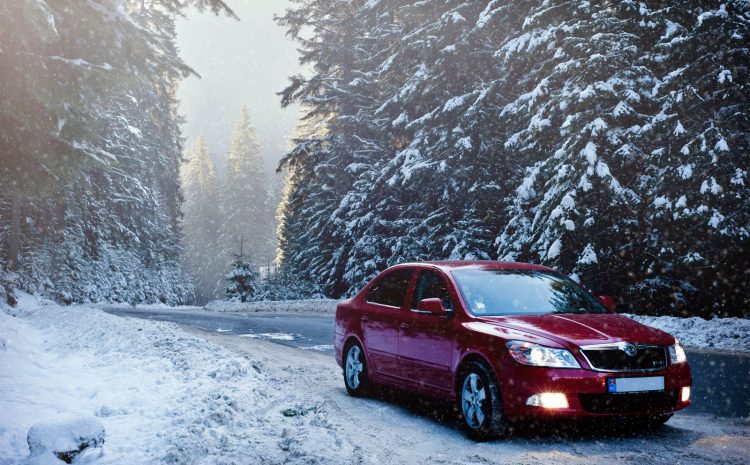
Get Your Car Ready for an Ohio Winter: A Walbridge Driver’s Checklist
Ohio winter weather can change quickly. A clear morning in Walbridge can turn into a cold, snowy, or icy commute by the afternoon. Low temperatures, road salt, slush, and reduced visibility all place extra demands on your vehicle.
The best time to prepare is before the first major cold snap. A pre-winter inspection can help you identify a weak battery, worn brakes, low tire pressure, poor wipers, or cooling-system problems before they become an inconvenient or unsafe roadside issue.
Use this checklist to prepare your car, SUV, or light-duty truck for winter driving around Walbridge and the surrounding Toledo area.
1. Test the Battery Before Cold Weather Arrives
Cold temperatures make it harder for an engine to start. At the same time, the battery may have less available power. A battery that starts the vehicle reliably during warmer months may struggle once temperatures drop.
Have the battery and charging system tested before winter. A proper inspection can help identify a battery that is losing capacity, a charging problem, or corroded connections.
Signs you may need car battery replacement
Watch for:
- Slow engine cranking when starting
- Clicking sounds instead of a normal start
- Dim headlights or interior lights
- Electrical accessories that work inconsistently
- A battery warning light on the dashboard
- Corrosion around the battery terminals
- The need for frequent jump-starts
- A battery that is several years old or has already shown signs of weakness
A battery test does not automatically mean you need a replacement. Testing helps determine whether the battery can handle cold-weather starting demands or whether replacement is the more dependable option.
If your battery tests weak, schedule car battery replacement before the first serious freeze. It is much easier to handle this service at the shop than to discover the problem in your driveway before work or in a parking lot after dark.
Also ask for the terminals, cables, and charging system to be checked. A new battery cannot perform properly if the connection is loose or the alternator is not charging it correctly.
Schedule a battery inspection or car battery replacement with Izzy’s Blue Auto.
2. Inspect the Brakes for Safe Winter Stops
Snow and ice increase stopping distances, making dependable brakes especially important. Even when your braking system is working normally, slick roads require slower speeds and more following distance. Worn brake components can make an already difficult stop more stressful.
A pre-winter brake inspection should include:
- Brake pad or shoe condition
- Rotor or drum condition
- Brake fluid level and condition
- Brake hoses and lines
- Calipers and wheel cylinders
- Parking brake operation
- Warning lights and unusual pedal behavior

Brake warning signs to take seriously
Schedule an inspection if you notice:
- Squealing or grinding when braking
- A soft, low, or spongy brake pedal
- Vibrations through the steering wheel or brake pedal
- Pulling to one side while stopping
- A burning smell after braking
- A brake warning light
- Longer stopping distances than usual
If you are searching online for brake repair near me, do not wait until the roads are covered in snow. Early attention may help prevent a small issue from becoming a larger repair and gives you more confidence during winter commutes.
Book brake service in Walbridge before winter conditions become routine.
3. Check Tires, Pressure, and Tread
Your tires are the only parts of the vehicle touching the road. They need enough tread and proper inflation to help maintain traction on wet, snowy, and icy surfaces.
Start with these checks:
- Inspect tread depth across each tire
- Look for uneven wear, cracks, bulges, or cuts
- Check tire pressure when the tires are cold
- Inflate the tires to the vehicle manufacturer’s recommended pressure
- Inspect the spare tire if your vehicle has one
- Confirm that your tire-pressure monitoring system is working
- Consider whether winter tires are appropriate for your driving needs
Cold weather lowers tire pressure, so check it regularly throughout the season. Use the pressure listed on the driver’s door-jamb label or in the owner’s manual: not the maximum pressure printed on the tire sidewall.
Tread should be inspected rather than judged by appearance alone. If the tread is worn close to the legal minimum, or if wear is uneven, have a tire professional evaluate the tires before winter travel.
4. Test the Heater and Defrosters
Your heating system is not only about comfort. The heater and defrosters help keep the windshield clear so you can see traffic, pedestrians, and changing road conditions.
Before winter, confirm that:
- The cabin heater produces warm air
- The blower works on every speed
- Air flows from the correct vents
- The front defroster clears windshield fog
- The rear defroster clears condensation and frost
- The temperature controls respond normally
- There are no unusual smells or noises from the HVAC system
A heater that blows cool air may have an issue involving coolant level, the thermostat, heater core, blend door, or another HVAC component. Do not ignore it until the first freezing morning.
If the defroster does not clear the glass effectively, allow extra time for repairs. Never drive with a partially blocked windshield.
5. Replace Worn Wipers and Fill Winter Washer Fluid
Road salt, slush, and spray from other vehicles can quickly cover your windshield. Worn wiper blades may leave streaks, skip across the glass, or fail to clear heavy moisture.
Replace the blades if they:
- Leave streaks or missed sections
- Chatter across the glass
- Have cracked or split rubber
- Lift away from the windshield
- No longer clear water effectively
Fill the washer reservoir with winter-rated fluid that includes freeze protection. Summer washer fluid can freeze in cold conditions and may not remove salt and grime effectively.
Before driving, clear snow and ice from the entire vehicle. Remove buildup from the windshield, side windows, mirrors, headlights, taillights, roof, and hood. Snow left on the roof can slide forward during braking or blow into the path of another driver.
6. Check Coolant and Other Essential Fluids
Coolant protects the engine from both overheating and freezing. Before winter, check the coolant level and have the system inspected for leaks or an incorrect mixture.
A winter fluid inspection should include:
- Engine coolant level and condition
- Cooling-system hoses and connections
- Engine oil level and service interval
- Brake fluid
- Transmission fluid, when applicable
- Power-steering fluid, if equipped
- Windshield-washer fluid
Do not open a hot coolant reservoir. If you see a puddle under the vehicle, notice a sweet smell, or see the temperature gauge rising, arrange an inspection promptly.
Follow your owner’s manual for the correct fluid specifications and service intervals. Using the wrong product or mixing incompatible fluids can create additional problems.
7. Prepare a Winter Emergency Kit
Even a well-maintained vehicle can become delayed by a crash, road closure, mechanical problem, or severe storm. Keep an emergency kit in the vehicle throughout the winter.
Consider including:
- Ice scraper and snow brush
- Small shovel
- Jumper cables or a charged portable jump starter
- Flashlight with extra batteries
- Warm blanket
- Hat, gloves, and extra layers
- Bottled water and nonperishable snacks
- First-aid kit and necessary medication
- Phone charger or portable power bank
- Basic tools
- Reflective warning markers
- Sand or non-clumping kitty litter for traction
Keep the fuel tank reasonably full before longer trips. If you become stranded, stay with the vehicle when it is safer to do so, keep the exhaust pipe clear of snow, and use the engine only as needed for warmth.
8. Complete a Final Winter Safety Check
Before the first major storm, take a few minutes to check:
- Headlights and high beams
- Brake lights
- Turn signals
- Hazard lights
- License plate lights
- Door locks and seals
- Seat belts
- Floor-mat positioning
- Windshield and mirrors
- Spare tire and changing equipment
Make sure floor mats are properly secured and cannot interfere with the accelerator or brake pedal.
When winter weather arrives, slow down, increase your following distance, and avoid abrupt steering, acceleration, or braking. A well-prepared vehicle still needs careful driving on slick roads.
Conclusion: Prepare Before the First Freeze
Getting your vehicle ready for an Ohio winter does not have to be complicated. Testing the battery, inspecting the brakes, checking tire condition, confirming heater and defroster operation, replacing worn wipers, checking fluids, and carrying an emergency kit can help you handle Walbridge winter driving with greater confidence.
If your battery is slow to start, your brakes are making noise, your tires are worn, or your heater and defroster are not working correctly, do not worry. Izzy’s Blue Auto LLC provides dependable battery, brake, suspension, and general automotive repair services for local drivers.
Book an appointment online, contact Izzy’s Blue Auto, or call 419-690-3062. Our shop is located at 6691 Emch Rd, Walbridge, OH 43465, and we are ready to help you prepare your vehicle for the season.